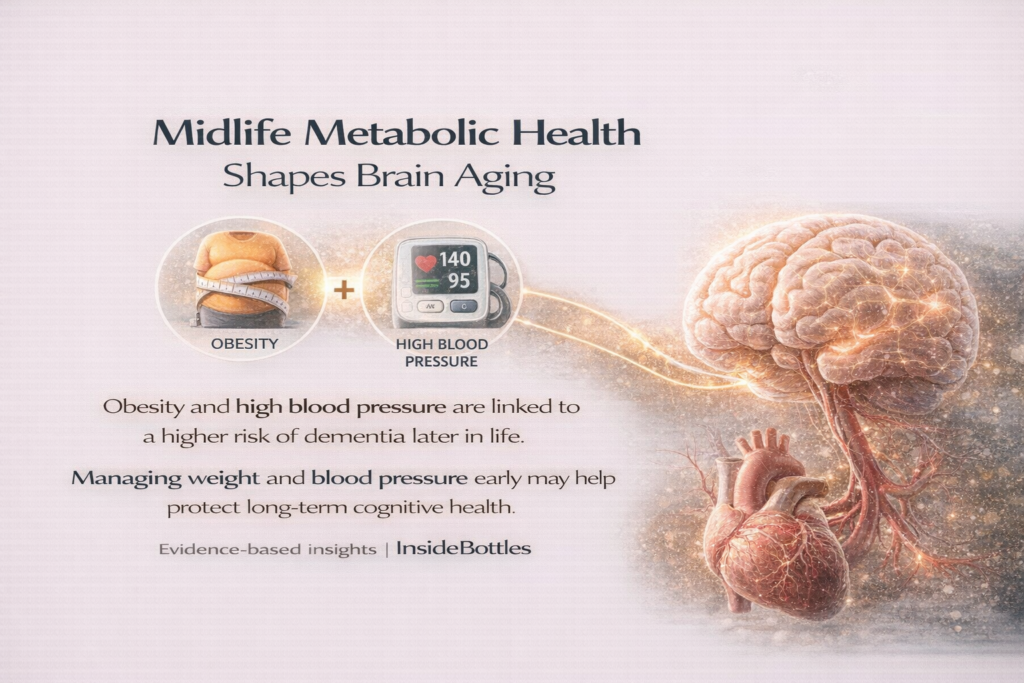
Obesity and high blood pressure are increasingly recognized as significant risk factors for dementia. This article explores the intricate connections between these health issues and their potential to trigger cognitive decline. By examining current research and the impact of lifestyle choices, we aim to shed light on preventative measures that may mitigate dementia risk.
Understanding Obesity and Its Health Implications
Obesity is a medical condition characterized by an excessive accumulation of body fat, which can pose significant risks to an individual’s health. It is typically evaluated using the Body Mass Index (BMI), a calculation derived from an individual’s weight in kilograms divided by the square of their height in meters. According to the World Health Organization (WHO), a BMI of 30 or higher is classified as obese. Obesity arises from a complex interplay of factors, including genetic predisposition, metabolic imbalances, lifestyle choices, and environmental influences.
The causes of obesity are multifaceted and often interrelated. They can range from sedentary behaviors and increased caloric intake to psychological factors and socioeconomic status. For instance, communities with limited access to healthy food options or safe environments for physical activity often exhibit higher obesity rates. Moreover, emotional factors, such as stress or depression, may lead individuals to overeat, thereby exacerbating their condition.
The health implications of obesity are severe and widespread. It significantly increases the risk of developing several chronic conditions, including type 2 diabetes, cardiovascular diseases, and certain cancers. Notably, recent research has spotlighted obesity as a major risk factor for cognitive decline, including dementia. Studies have shown that individuals with obesity, particularly in midlife, face a substantially increased risk of Alzheimer’s disease and other forms of dementia later in life.
The prevalence of obesity has escalated alarmingly, with the WHO reporting that worldwide obesity has nearly tripled since 1975. In 2022, approximately 1.9 billion adults were classified as obese, underscoring a global health crisis. The United States alone reports that over 42% of adults meet the criteria for obesity, with risks exacerbated by age and various comorbidities. The relationship between obesity and cognitive decline is particularly concerning, as excess weight can lead to chronic inflammation and vascular damage, both of which can contribute to brain deterioration.
Given the significant health implications tied to obesity, it is crucial to understand its broader impact on cognitive health. Addressing obesity not only has the potential to mitigate various physical ailments but may also act as a preventative measure against the onset of dementia, emphasizing the importance of maintaining a healthy weight for both body and mind.
The Role of High Blood Pressure in Cognitive Health
High blood pressure, or hypertension, is a condition characterized by elevated pressure within the arteries, which can lead to significant health complications. Blood pressure is classified into different categories based on values measured in millimeters of mercury (mmHg). Normal blood pressure is defined as systolic pressure (the top number) less than 120 mmHg and diastolic pressure (the bottom number) less than 80 mmHg. Hypertension is categorized into stages; Stage 1 is characterized by systolic readings between 130-139 mmHg or diastolic readings between 80-89 mmHg, while Stage 2 hypertension is defined by readings of 140/90 mmHg or higher. Persistent high blood pressure strains the heart and blood vessels, leading to long-term health consequences.
The implications of chronic hypertension extend beyond cardiovascular issues and pose significant risks to cognitive health. Research has shown that prolonged periods of elevated blood pressure can contribute to cognitive decline and the development of dementia. Hypertension disrupts the delivery of oxygenated blood to the brain, impairing neuronal function and promoting neuroinflammation. These changes can lead to the degeneration of brain cells and the pathology associated with dementia, including the accumulation of amyloid plaques and tau tangles. Thus, individuals with hypertension are at a higher risk of cognitive deficits as they age.
Lifestyle factors play a critical role in the development and management of high blood pressure, subsequently influencing cognitive health. Contributing factors include poor diet—rich in saturated fats and processed foods—which is often linked to obesity. A sedentary lifestyle, characterized by insufficient physical activity, exacerbates hypertension and obesity, creating a vicious cycle detrimental to overall health. Moreover, chronic stress and inadequate sleep can also elevate blood pressure, leading to further cognitive impairment.
Awareness of these lifestyle connections is essential for prevention. A holistic approach that includes a balanced diet, regular exercise, stress management, and effective sleep hygiene can significantly impact blood pressure regulation. Improving lifestyle choices not only mitigates hypertension but also serves as a protective mechanism for cognitive health, potentially reducing the risk of ensuing dementia. By addressing both obesity and hypertension, individuals improve their overall well-being, including preserving cognitive function as they age.
The Dementia Spectrum: Understanding Its Mechanisms
Dementia encompasses a range of symptoms related to cognitive function, heavily affecting memory, thinking, and social abilities. Among its various types, Alzheimer’s disease is the most prevalent, accounting for an estimated 60-80% of cases. Other forms include vascular dementia, dementia with Lewy bodies, and frontotemporal dementia, each presenting unique symptoms and progression. Common symptoms of dementia may include forgetfulness, confusion, difficulty communicating, and behavioral changes, which worsen as the disease progresses. Early stages may exhibit mild cognitive impairment (MCI), where individuals experience noticeable memory lapses without significant interference in daily life.
Neurodegenerative processes inherent to dementia involve the accumulation of abnormal proteins in the brain, leading to cell dysfunction and death. In Alzheimer’s, for example, amyloid plaques and tau tangles disrupt neural communication and trigger inflammatory responses. This neurodegenerative cascade can be exacerbated by obesity and high blood pressure, both of which influence neurovascular health.
Obesity is associated with chronic low-grade inflammation and insulin resistance, contributing to neurodegeneration. The excess adipose tissue produces pro-inflammatory cytokines, which can infiltrate the central nervous system and promote brain inflammation, further accelerating cognitive decline. Research shows that obese individuals are at a higher risk of developing Alzheimer’s disease, with fat accumulation potentially impairing the blood-brain barrier’s integrity. Similarly, hypertension has been linked to vascular dementia, as elevated blood pressure can lead to reduced blood flow to the brain, depriving neurons of vital nutrients and oxygen necessary for optimal functioning.
Distinguishing between normal cognitive decline, often occurring with aging, and dementia is crucial for early detection. While cognitive decline can be expected as part of the aging process, dementia represents a more significant degeneration of cognitive abilities, often leading to a loss of independence. Early identification of dementia is vital, allowing for early interventions that may slow the disease’s progression, particularly in individuals affected by obesity and high blood pressure. Addressing these lifestyle factors not only improves overall health but may also play a critical role in preserving cognitive function as individuals age.
The Interplay of Obesity, Hypertension, and Dementia
The interaction between obesity, hypertension, and dementia is increasingly recognized as a crucial area of study in understanding cognitive decline. Numerous research findings have illuminated direct and indirect pathways through which excess weight and elevated blood pressure contribute to the risk of developing dementia.
Several studies have demonstrated that obesity is independently associated with cognitive impairment. For example, a longitudinal study published in the *Archives of Neurology* found that individuals with a Body Mass Index (BMI) classified as obese were at a significantly increased risk of developing Alzheimer’s disease compared to their normal-weight peers, even after adjusting for other health factors. The risk escalates with the level of obesity, suggesting a dose-response relationship.
Hypertension, frequently accompanying obesity, compounds this risk. Research has shown that high blood pressure can lead to damage in small blood vessels in the brain, contributing to vascular dementia. In fact, a meta-analysis involving over 100,000 participants indicated that individuals with untreated hypertension had a 50% higher risk of dementia compared to those with normal blood pressure. This vascular damage impairs blood flow, which is critical for maintaining healthy brain function and can accelerate neurodegenerative processes.
The interplay between these conditions may involve several mechanisms. First, obesity is associated with a chronic inflammatory state that can produce neurotoxic compounds, potentially leading to neural damage. Adipose tissue secretes pro-inflammatory cytokines, which can contribute to a cascade of neurodegenerative processes. Second, the insulin resistance often seen in obese individuals may also play a crucial role in the development of dementia. Insulin is not only vital for glucose metabolism but is also involved in various neurological processes. Disruption in insulin signaling is now being recognized as a contributing factor to neurodegeneration.
Furthermore, the metabolic syndrome, characterized by a cluster of conditions including obesity and hypertension, is linked to an increased risk of cognitive decline. The interconnected nature of these conditions creates a feedback loop where obesity leads to hypertension and cognitive impairment, which further exacerbates both obesity and hypertension through sedentary behaviors and decreased motivation.
In summary, the direct links between obesity and hypertension with dementia highlight the urgent need for a multidisciplinary approach in research and interventions aimed at mitigating risks associated with these conditions. Understanding these relationships paves the way for potential strategies to delay or prevent cognitive decline, a focus that is critical as our population ages and these health challenges continue to rise.
Strategies for Prevention and Management
Obesity and high blood pressure can often be perceived as separate health issues; however, they share a complex relationship that significantly impacts cognitive function. Addressing these concerns can potentially mitigate dementia risk, underscoring the necessity for comprehensive prevention and management strategies.
Diet plays a crucial role in managing both obesity and hypertension. An emphasis on whole foods such as fruits, vegetables, whole grains, lean proteins, and healthy fats can help individuals achieve and maintain a healthier weight while also regulating blood pressure. The Mediterranean diet, rich in monounsaturated fats and antioxidants, has shown promising results in lowering hypertension and may even contribute to better cognitive health. Reducing sodium intake is equally important; excessive salt can exacerbate blood pressure levels and may indirectly influence cognitive decline.
Exercise is another pillar in the fight against obesity and high blood pressure. Regular physical activity not only aids in weight loss but also improves cardiovascular health, which is essential in reducing hypertension. Aim for a combination of aerobic exercises—like walking, jogging, or cycling—with strength training at least twice a week. Research indicates that even moderate exercise can enhance brain function and may slow cognitive decline, offering dual benefits for physical and mental health.
Lifestyle changes extend beyond diet and activity. Stress management techniques such as mindfulness, yoga, and adequate sleep are vital. Chronic stress has been linked to increased weight gain and elevated blood pressure, adversely affecting cognitive function. By incorporating relaxation strategies into daily routines, individuals may improve their overall well-being and cognitive resilience.
On a broader scale, public health initiatives must focus on raising awareness about the interconnectedness of obesity, hypertension, and dementia. Campaigns targeting healthier lifestyle choices should be implemented in community settings, including schools, workplaces, and healthcare facilities. Accessible community resources such as nutrition education, free fitness programs, and mental health support can significantly enhance collective health outcomes.
Collaborative efforts are essential in addressing these issues. Health professionals, policymakers, and educators should engage in partnerships to create environments that promote healthier choices, making it easier for individuals to maintain a healthy weight and blood pressure. These initiatives are key to reducing the prevalence of obesity and hypertension, ultimately contributing to a decline in dementia cases, thus fostering a healthier society.
Conclusions
In conclusion, obesity and high blood pressure are not only significant health issues on their own but also crucial risk factors for dementia. Understanding their interconnectedness allows us to prioritize prevention through lifestyle modifications. By actively managing weight and blood pressure, we can work towards reducing the risk of cognitive decline and enhancing overall health.
 References
1.Albanese, E., Launer, L. J., Egger, M., Prince, M. J., Giannakopoulos, P., Wolters, F. J., & Egan, K. (2017).
Body mass index in midlife and dementia: Systematic review and meta-analysis.
Alzheimer’s & Dementia, 13(11), 1230–1244.
https://pmc.ncbi.nlm.nih.gov/articles/PMC5520956/
2.Anstey, K. J., Cherbuin, N., Budge, M., & Young, J. (2011).
Body mass index in midlife and late-life as a risk factor for dementia: A meta-analysis of prospective studies.
Obesity Reviews, 12(5), e426–e437.
https://pubmed.ncbi.nlm.nih.gov/21348917/
3.Livingston, G., Huntley, J., Sommerlad, A., Ames, D., Ballard, C., Banerjee, S., et al. (2020).
Dementia prevention, intervention, and care: 2020 report of the Lancet Commission.
The Lancet, 396(10248), 413–446.
https://www.thelancet.com/article/S0140-6736%2820%2930367-6/fulltext
4.Kim, H., et al. (2023).
Long-term blood pressure patterns in midlife and dementia risk.
(Article in PMC repository).
https://pmc.ncbi.nlm.nih.gov/articles/PMC10597747/
5.Williamson, J. D., Pajewski, N. M., Auchus, A. P., Bryan, R. N., Chelune, G., Cheung, A. K., et al. (2019).
Effect of intensive vs standard blood pressure control on probable dementia:
A randomized clinical trial (SPRINT MIND).
JAMA, 321(6), 553–561.
https://jamanetwork.com/journals/jama/fullarticle/2723256
https://pubmed.ncbi.nlm.nih.gov/30688979/
6.Joyce, O. C., et al. (2023).
Midlife hypertension is a risk factor for later-life cognitive decline: Review.
(Article in PMC repository).
https://pmc.ncbi.nlm.nih.gov/articles/PMC10763710/