Navigating the Intersection of Digital Strain and Metabolic Health
In today’s “always-on” digital culture, the boundaries between professional productivity and physiological well-being have blurred. Consumers are increasingly seeking solutions for “digital eye fatigue” caused by constant screen exposure, while simultaneously obsessing over metabolic optimization and glucose management. This convergence represents a significant white space in the nutraceutical market: the need for multi-functional ingredients that address both the immediate symptoms of a digital lifestyle and the long-term markers of metabolic resilience.
For brand owners and R&D managers, the challenge is finding a singular, high-integrity botanical that bridges these two disparate health pillars. The solution lies in a potent, historically recognized ingredient that has moved from folklore to pharmaceutical-grade clinical validation.
By looking “beyond the berry,” we find that Bilberry (Vaccinium myrtillus) is no longer just a traditional remedy for night vision; it is a sophisticated metabolic modulator capable of reshaping the modern supplement landscape.
Defining the Ingredient: Bilberry (Vaccinium myrtillus) vs. The Market
In the botanical marketplace, identity is the foundation of efficacy. While the common cultivated blueberry is a staple of the global diet, professional-grade Bilberry (Vaccinium myrtillus) represents a distinct species with a differentiated phytochemical profile. Strategically, sourcing true Bilberry reflects a commitment to botanical specificity and quality over commodity positioning.
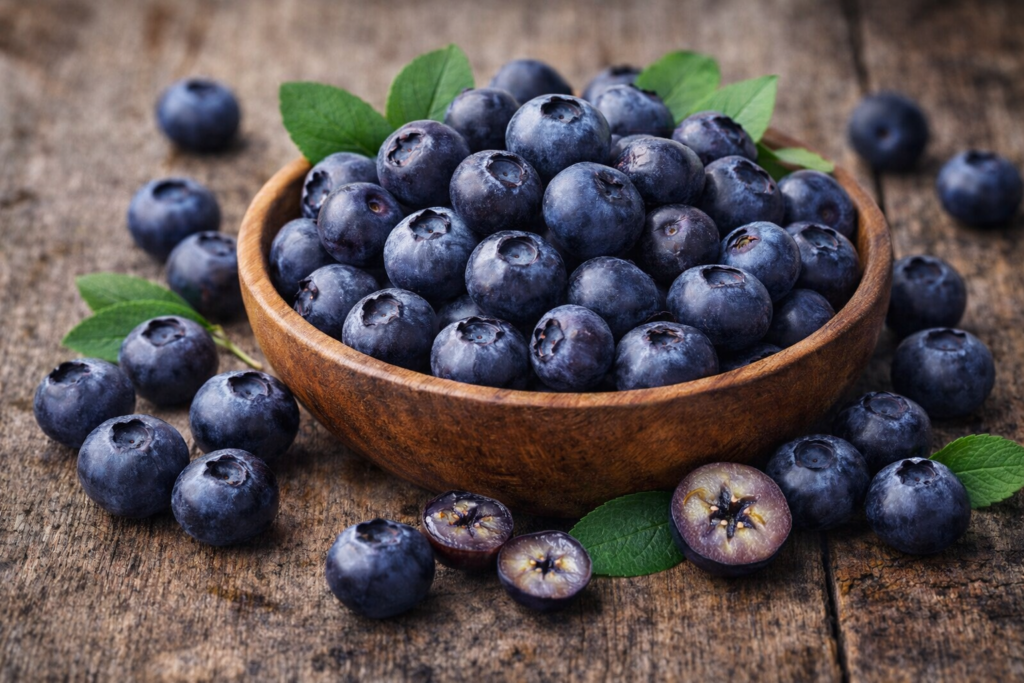
Bilberry grows primarily in high-latitude, cooler climates across Northern Europe and parts of North America. Unlike cultivated blueberries—whose flesh is typically white or light green—Bilberry is characterized by deep purple pigmentation throughout both the skin and the flesh. This uniform coloration reflects its naturally rich anthocyanin content.
Anthocyanins, a class of polyphenolic compounds, are the principal bioactive constituents in Bilberry and contribute substantially to its antioxidant capacity. While anthocyanin levels vary depending on cultivar, geographic origin, harvest conditions, analytical methodology, and extraction process, wild Bilberry generally demonstrates a higher anthocyanin density compared with many commercial cultivated blueberries.
For formulators, this distinction is less about a fixed numerical multiple and more about standardization and extract potency. Concentrated Bilberry extracts can be standardized (typically 25–36% anthocyanins), allowing for predictable bioactive delivery—an important consideration in clinical-grade or performance-focused formulations.
Strategic Sourcing Caveat
Stakeholders should exercise caution regarding authenticity within the bilberry supply chain. While Vaccinium myrtillus is documented in multiple regions, including parts of Asia, geographic origin alone does not determine quality or legitimacy. It is therefore inappropriate to assume that materials from any single country are inherently authentic—or inauthentic—based solely on origin.
What is well documented in the scientific literature, however, is the risk of adulteration in bilberry extracts. Instances have been reported in which lower-cost berry species were substituted for true Vaccinium myrtillus, or synthetic colorants (such as amaranth) were added to artificially inflate measured anthocyanin levels in standard assays.
For this reason, strategic sourcing should prioritize:
- DNA barcoding or genomic authentication
- Anthocyanin fingerprinting (HPLC profiling)
- Transparent supply chain traceability
- Standardized extract specifications (e.g., 25–36% anthocyanins)
In today’s globalized botanical market, authenticity is not a matter of geography—it is a matter of verification. Rigorous analytical validation, rather than country-of-origin assumptions, is the cornerstone of high-integrity ingredient sourcing.
Mechanism of Action: A Dual-Pathway Biological Rationale
For healthcare practitioners and product educators, Bilberry’s strategic value lies in its proposed dual-pathway activity—supporting both visual performance and metabolic regulation. Importantly, these mechanisms are supported by a combination of preclinical data and human biomarker studies, though not all mechanistic steps have been directly confirmed in humans.
I. Vision: Supporting the Visual Cycle
Bilberry’s ocular relevance is largely attributed to its high anthocyanin content. Preclinical research and mechanistic reviews suggest that anthocyanins may influence the visual cycle, particularly processes related to rhodopsin dynamics in the retina.
Rhodopsin is a light-sensitive photopigment essential for visual adaptation under low-light conditions. Upon exposure to light, rhodopsin undergoes structural change (photobleaching) as part of signal transduction. Experimental data indicate that anthocyanins may support the regeneration process of visual pigments, potentially enhancing recovery following light exposure.
While direct confirmation of rhodopsin regeneration in humans remains limited, clinical trials have demonstrated improvements in visual fatigue parameters, accommodative function, and subjective eye strain. These findings are considered mechanistically consistent with the proposed retinal support effects.
In practical terms, Bilberry may help support visual adaptation and resilience—particularly relevant in the context of prolonged screen exposure and digital eye fatigue.
II. Metabolism: AMPK-Related Pathway Modulation
On a systemic level, anthocyanin-rich Bilberry extracts have demonstrated activation of AMP-activated protein kinase (AMPK) in animal and cellular models. AMPK is widely recognized as a key regulator of cellular energy balance.
Preclinical studies show that Bilberry-derived anthocyanins can:
- Enhance glucose uptake in peripheral tissues
- Improve insulin sensitivity
- Reduce hepatic lipid accumulation
These findings provide a mechanistic explanation for observed improvements in glycemic biomarkers reported in human clinical studies, including reductions in fasting glucose and HbA1c in certain populations.
However, it is important to note that AMPK activation has been directly demonstrated primarily in preclinical settings. In humans, metabolic benefits are supported by biomarker outcomes rather than direct measurement of AMPK signaling.
Scientific Positioning Summary
Bilberry’s value does not rest on isolated claims, but on a biologically coherent framework:
- Preclinical evidence supports visual cycle modulation and AMPK activation.
- Human trials demonstrate improvements in visual fatigue parameters and metabolic biomarkers.
- The mechanistic pathways are considered biologically plausible and directionally aligned with observed clinical outcomes.
This evidence-informed positioning allows Bilberry to be framed not as a single-target ingredient, but as a multi-system botanical relevant to modern visual and metabolic stressors.
Clinical Evidence: Interpreting the Data Landscape
In a competitive nutraceutical environment, clinical substantiation differentiates standardized extracts from commodity botanicals. Bilberry and anthocyanin-rich interventions have been evaluated across visual and metabolic domains, with varying degrees of strength and consistency.
A randomized, double-blind, placebo-controlled trial evaluating 240 mg/day of standardized bilberry extract over 12 weeks demonstrated measurable improvements in visual function parameters following visual display terminal (VDT) tasks. Specifically, accommodative function and subjective visual fatigue markers showed improvement compared with placebo.
I. Digital Eye Fatigue (VDT-Related Visual Strain)
While mechanistic explanations (e.g., retinal pigment support) remain partly inferential, the human trial data support a role for bilberry extract in visual performance resilience during prolonged screen exposure.
II. Dry Eye and Tear Secretion
Clinical evaluation of a standardized bilberry extract (e.g., Mirtoselect® by Indena) has demonstrated improvements in tear production as measured by the Schirmer test in randomized controlled settings.
Reported percentage improvements in tear secretion should be interpreted carefully, as values may depend on baseline characteristics and subgroup analyses. When citing numerical increases, it is recommended to reference the exact data presented in the primary publication rather than secondary summaries.
Overall, evidence suggests that standardized bilberry extract may support ocular surface hydration and tear film stability in individuals with mild to moderate dry eye symptoms.
III. Glycemic Markers and HbA1c
Multiple systematic reviews and meta-analyses of randomized controlled trials evaluating anthocyanin or anthocyanin-rich berry supplementation report statistically significant improvements in:
- Fasting blood glucose
- Postprandial glucose
- HbA1c
The magnitude of change varies depending on population (healthy vs. metabolic syndrome vs. type 2 diabetes), dosage, and intervention duration. While specific numerical reductions differ across analyses, the overall direction of effect consistently favors modest glycemic improvement.
For precision communication, any cited numerical values (e.g., mg/dL reductions or HbA1c percentage changes) should correspond directly to the specific meta-analysis referenced.
IV. Lipid Profile Modulation
Human dietary intervention studies using whole bilberries (e.g., frozen bilberry intake several times per week over approximately six weeks) have reported improvements in lipid parameters, including reductions in triglycerides and LDL cholesterol, alongside increases in HDL cholesterol.
Exact percentage changes vary by cohort and baseline risk profile. Therefore, when presenting quantitative claims, it is advisable to extract the values directly from the original study tables to ensure accuracy.
Collectively, these findings support a cardiometabolic relevance for bilberry consumption, particularly within populations exhibiting elevated metabolic risk markers.
Evidence Positioning Summary
- Visual fatigue: Supported by human RCT data (240 mg standardized extract, 12 weeks).
- Dry eye: Supported by RCT evidence using standardized extracts and objective tear measurement.
- Glycemic control: Supported by multiple RCT meta-analyses of anthocyanin-rich interventions, with modest but consistent biomarker improvements.
- Lipid modulation: Supported by controlled dietary intervention studies, with directionally favorable changes.
Rather than relying on isolated headline percentages, the strength of the evidence lies in consistency across studies and biological plausibility aligned with preclinical mechanisms.
Formulation & Commercial Strategy: Turning Science into Product
Strategic formulation requires moving beyond generic commodities to “gold-standard” benchmarks.
• Standard Dosage: Extract ranges of 100mg to 500mg per day align with clinical safety and efficacy data.
• The “Branded” Advantage: Strategists should look toward industry benchmarks like Mirtoselect (Indena), which utilizes DNA/genomic verification to ensure species purity.
• Synergy Stacks:
◦ Glaucoma & Intraocular Pressure: Pair Bilberry with Pycnogenol (French Maritime Pine Bark Extract). The specific combination, known as Mirtogenol, has clinical backing for lowering intraocular pressure and supporting ocular blood flow.
◦ Immune/Antioxidant Support: Combine with Elderberry (Sambucus) to create a high-potency anthocyanin complex for year-round resilience.
• Target Segments: “The Digital Professional” (screen fatigue), “The Aging Eye” (retinal health), and “The Glucose-Conscious Consumer” (metabolic stability).
Market Positioning: Identifying High-Growth Verticals
Bilberry is uniquely positioned to capitalize on the GLP-1 support trend. As the market for metabolic health explodes, Bilberry’s ability to activate AMPK and improve insulin sensitivity provides a natural, non-stimulant botanical narrative that complements or provides an alternative to pharmaceutical interventions.
Furthermore, Bilberry’s status as a pharmaceutical-grade ingredient in several regions—where it is prescribed to treat diabetic retinopathy and night blindness—elevates it far above “superfood” status. This medicalized credibility allows brands to premiumize their offerings, moving from simple wellness to high-efficacy clinical nutrition.
Balanced Perspective: Regulatory and Safety Considerations
Maintaining “Scientific Responsibility” builds long-term brand trust. While Bilberry is generally recognized as safe, three professional caveats apply:
1. Hypoglycemia Risk: Due to its potent glucose-lowering effects, Bilberry may have an additive effect when combined with diabetes medications.
2. Anti-thrombotic Interactions: Caution is advised for patients on drugs like Warfarin, as high doses of anthocyanins may influence clotting factors.
3. The Hormone Nuance: While the myth that anthocyanins negatively affect uterine fibroids is debunked (with some data suggesting they actually help), patients undergoing active hormone therapy or major surgery for fibroids should still consult a physician before high-dose supplementation.
Strategic Conclusion for Industry Stakeholders
Bilberry is a multi-functional powerhouse designed for the stressors of the modern era. For brands to succeed, they must move away from “berry powders” and prioritize standardized, European-sourced extracts (typically 25%–36% anthocyanins). By insisting on genomic/DNA verification, brands can protect themselves against the rampant adulteration in the supply chain and deliver the clinical outcomes consumers now demand.
Strategic Takeaway: Invest in high-integrity, standardized Bilberry extracts to bridge the gap between digital vision support and metabolic resilience—the two fastest-growing consumer concerns in the modern nutraceutical landscape.
Bilberry from a Traditional Chinese Medicine (TCM) Perspective
Bilberry (Vaccinium myrtillus) is not a classical herb recorded in traditional Chinese materia medica. However, its functional properties can be interpreted through TCM theory by analyzing its nature (性), flavor (味), and functional direction (归经).
1.Nature and Flavor (性味)
Based on its characteristics, bilberry may be interpreted as:
- Nature: Slightly cooling
- Flavor: Sweet and mildly sour
TCM interpretation:
- Sour (酸) → Astringing, associated with the Liver system
- Sweet (甘) → Nourishing and harmonizing
- Cooling (凉) → Clears heat and reduces internal irritation
2.Channel Affinity (归经)
From a theoretical standpoint, bilberry most closely relates to:
- Liver (肝) – “The Liver opens into the eyes”
- Spleen (脾) – Governs transformation and metabolic function
- Secondarily, Kidney (肾) – Associated with aging and vision decline
3.Eye Health Through the Liver-Blood Lens
In TCM, vision is not purely an ocular issue but a reflection of Liver Blood status:
“When Liver Blood is sufficient, the eyes are clear.”
Bilberry’s anthocyanin-rich profile, described in Western science as antioxidant and microcirculatory support, may be interpreted in TCM terms as:
- Nourishing Liver Blood (养肝血)
- Clearing Liver Heat and brightening the eyes (清肝明目)
- Supporting conditions of “prolonged screen exposure damaging Blood” (久视伤血)
Digital eye strain, in TCM pattern language, may resemble:
- Liver Blood deficiency
- Liver Yin deficiency
- Mild Liver Heat rising
4.Metabolic Regulation in TCM Terms
Modern research discusses AMPK activation and improved glucose metabolism.
In TCM, metabolic imbalance is often framed as:
- Spleen deficiency (脾虚)
- Damp accumulation (湿滞)
- Phlegm-damp obstruction (痰湿)
- Blood stasis (瘀血)
Bilberry’s effects may correspond to:
- Supporting Spleen transformation function (健脾助运)
- Invigorating Blood circulation (活血)
- Clearing internal heat related to metabolic stress (清热)
Rather than acting as a strong tonic, bilberry would be classified as a gentle regulator—clearing and supporting rather than heavily supplementing.
5.TCM Functional Summary
Within a TCM framework, bilberry may be positioned as:
- Clear Liver and brighten the eyes
- Nourish Blood and support microcirculation
- Assist Spleen transformation
- Gently regulate metabolic stagnation
6.Clinical Cautions (TCM View)
- Individuals with pronounced Spleen-Yang deficiency (cold digestive patterns) may require combination with warming herbs.
- Patients with bleeding disorders should use cautiously due to potential “Blood-moving” properties.
- Constitution and pattern differentiation remain essential.
Integrative Insight
Interestingly, Western science describes bilberry through retinal pigment dynamics and AMPK signaling pathways.
TCM describes it through Liver Blood nourishment and Spleen transformation.
Different language — similar physiological themes:
circulation, energy regulation, and visual function.
This convergence is where integrative formulation strategy becomes powerful.
APA Reference
1.Habanova, M., et al. (2016). Intake of bilberries (Vaccinium myrtillus L.) reduced cardiovascular diseases risk factors through positive influences in lipoprotein profiles. Nutrition Research. https://pubmed.ncbi.nlm.nih.gov/27993193/
2.Kosehira, M., et al. (2020). A 12-week-long intake of bilberry extract (Vaccinium myrtillus L.) improved objective findings of ciliary muscle contraction of the eye: A randomized, double-blind, placebo-controlled trial. Clinical Ophthalmology. https://pubmed.ncbi.nlm.nih.gov/32106548/
3.Riva, A., et al. (2017). The effect of a natural, standardized bilberry extract (Mirtoselect®) in dry eye: A randomized, double-blinded, placebo-controlled trial. European Review for Medical and Pharmacological Sciences. https://pubmed.ncbi.nlm.nih.gov/28617532/
4.Steigerwalt, R. D., Jr., et al. (2008). Effects of Mirtogenol® on ocular blood flow and intraocular pressure in asymptomatic subjects. Clinical Ophthalmology. https://pmc.ncbi.nlm.nih.gov/articles/PMC2447819/
5.Takikawa, M., et al. (2010). Dietary anthocyanin-rich bilberry extract ameliorates hyperglycemia and insulin sensitivity via activation of AMP-activated protein kinase in diabetic mice. The Journal of Nutrition. https://pubmed.ncbi.nlm.nih.gov/20089785/
6.Yang, L., et al. (2017). Effects of anthocyanins on cardiometabolic health: A systematic review and meta-analysis of randomized controlled trials. Trends in Food Science & Technology. https://www.sciencedirect.com/science/article/pii/S2161831322008018
7.Mao, T., et al. (2023). Effects of anthocyanin supplementation in diet on glycemic and related cardiovascular biomarkers in patients with type 2 diabetes: A systematic review and meta-analysis of randomized controlled trials. https://pmc.ncbi.nlm.nih.gov/articles/PMC10556752/
8.Nomi, Y., Iwasaki-Kurashige, K., & Matsumoto, H. (2019). Therapeutic effects of anthocyanins for vision and eye health. Molecules, 24(18), 3311. https://www.mdpi.com/1420-3049/24/18/3311
9.Penman, K. G., & et al. (2006). Bilberry adulteration using the food dye amaranth. Journal of Agricultural and Food Chemistry. https://pubmed.ncbi.nlm.nih.gov/16968108/
10.Primetta, A. K., et al. (2013). Anthocyanin fingerprinting for authenticity studies of berry extracts. Food Control. https://www.sciencedirect.com/science/article/abs/pii/S0956713512004926
11.Medic, N., et al. (2019). Anthocyanins in colorectal cancer prevention: A systematic review. Frontiers in Pharmacology. https://pmc.ncbi.nlm.nih.gov/articles/PMC6597886/
12.Wang, X., et al. (2019). Anthocyanin consumption and risk of colorectal cancer: A meta-analysis of observational studies. (PubMed). https://pubmed.ncbi.nlm.nih.gov/30589398/
13.Indena S.p.A. (2019). DNA analysis on bilberry (Mirtoselect®) – technical note / quality control document. https://www.indena.com/indena_files/2020/01/DNA-analysis-bilberry_DEF_DEF.pdf
14.eFloras. (n.d.). Vaccinium myrtillus in Flora of China. https://www.efloras.org/florataxon.aspx?flora_id=2&taxon_id=200016692
#Nutraceuticals #IngredientScience #MetabolicHealth #VisionHealth #DietarySupplements #ProductDevelopment #AMPK #Anthocyanins