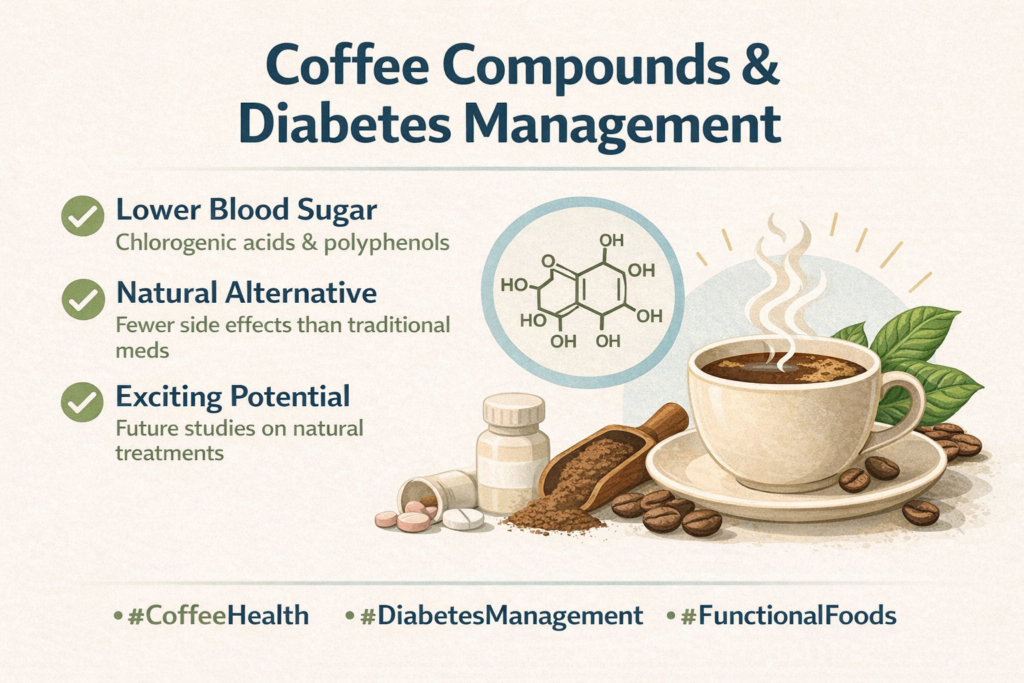
Recent laboratory tests have revealed that certain compounds found in coffee demonstrate superior effects against diabetes compared to conventional medications. This discovery raises exciting possibilities for natural treatments, highlighting the need for further exploration into how coffee compounds may improve glycemic control and overall health for patients suffering from diabetes.
Understanding Diabetes and Current Treatment Approaches
Diabetes, a chronic metabolic disorder, is characterized by elevated blood glucose levels due to either insufficient insulin production or ineffective utilization of insulin by the body. The two primary types of diabetes are Type 1 and Type 2, each with its own unique etiology and treatment modalities.
Type 1 diabetes is an autoimmune condition that typically manifests in childhood or early adulthood, where the immune system mistakenly attacks the insulin-producing beta cells in the pancreas, resulting in little or no insulin production. Consequently, individuals with Type 1 diabetes require lifelong insulin therapy to regulate their blood sugar levels. Insulin is administered through injections or an insulin pump and acts by facilitating the uptake of glucose into cells, thereby lowering blood sugar levels.
In contrast, Type 2 diabetes, which is more prevalent among adults, is characterized by insulin resistance—a condition where the body’s cells become less responsive to insulin. Over time, the pancreas is unable to produce enough insulin to maintain normal glucose levels, leading to hyperglycemia. Various factors contribute to the development of Type 2 diabetes, including obesity, sedentary lifestyle, and genetic predisposition. Treatment typically begins with lifestyle modifications, such as diet and exercise. When these measures are insufficient, oral hypoglycemic agents are prescribed.
Oral hypoglycemic agents include several classes of medications. Sulfonylureas stimulate the pancreas to release more insulin, while biguanides, such as metformin, work by decreasing hepatic glucose production and enhancing insulin sensitivity in peripheral tissues. DPP-4 inhibitors and GLP-1 receptor agonists offer additional options; they help regulate blood sugar levels by mimicking incretin hormones that promote insulin secretion in response to meals.
Recent studies have highlighted the potential of novel coffee compounds in surpassing the efficacy of traditional diabetes medications in laboratory settings. Interestingly, the exploration of natural coffee extracts may open new avenues for diabetes treatment. The ability of these compounds to possibly lower blood sugar levels, improve insulin sensitivity, and alter metabolic pathways adds a compelling dimension to our understanding of diabetes management. As research progresses, the role of coffee as a therapeutic agent signals a shift toward more natural and holistic approaches to treating this ubiquitous condition.
The Promising Role of Coffee in Health
Coffee has woven itself into the fabric of cultures worldwide, transcending its role as a mere beverage and becoming an emblem of social interaction, creativity, and even productivity. From the ancient coffee houses of the Middle East in the 15th century to the European coffee culture of the 17th century, coffee has a rich history that represents a haven for intellectual discourse and community gathering. As a beverage, it signifies comfort, warmth, and a burst of vitality. Its journey from Ethiopia to the global marketplace showcases not just its flavor but its evolving significance as a source of stimulation, indulgence, and, importantly, a subject of scientific inquiry.
The complexity of coffee’s composition is astounding, housing an array of bioactive compounds that contribute to its distinctive flavor and numerous health benefits. Among these, caffeine and chlorogenic acids (CGAs) are the most researched. Caffeine is widely known for its stimulating effects, but it is important to delve deeper into chlorogenic acids, which have garnered attention for their potential in influencing glucose metabolism and overall health.
Chlorogenic acids, primarily found in unroasted coffee beans, exhibit a variety of beneficial properties. Studies indicate that they can improve insulin sensitivity, reduce glucose absorption in the intestines, and modulate glucose metabolism in the liver. This means that these compounds not only help to regulate blood sugar levels but also potentially mitigate chronic diseases associated with impaired glucose metabolism, including Type 2 diabetes.
Furthermore, caffeine itself has been found to play a supportive role in enhancing metabolic rates and promoting fat oxidation. Research suggests it may improve physical performance, provide psychological benefits, and even lower the risk of developing Type 2 diabetes through mechanisms tied to enhanced glucose homeostasis and insulin signaling.
The implications of these findings are profound. As more studies reveal the multifaceted health benefits of coffee, particularly in metabolic regulation, it beckons a new era of potential treatments centered around natural extracts derived from this age-old beverage. This shift in focus from synthetic medications to natural alternatives, like coffee extracts, highlights a growing interest in harnessing the therapeutic properties of everyday food and beverages to improve health outcomes without the side effects commonly associated with traditional pharmaceuticals. As research advances, coffee might emerge as a formidable ally in the fight against diabetes, redefining its status from a simple morning ritual to a potentially life-altering health solution.
New Discoveries: Coffee Compounds vs. Traditional Diabetes Medications
Recent studies have unveiled an exciting dimension of coffee compounds, particularly focusing on their efficacy in managing diabetes. Specifically, a novel investigation has shown that certain components of coffee, notably chlorogenic acids and other polyphenols, exhibit superior performance compared to traditional diabetes medications, such as GLP-1 receptor agonists. These findings mark a significant paradigm shift in diabetes treatment research, suggesting that natural extracts from coffee might serve as alternative or adjunct therapeutic options.
In laboratory tests, coffee extracts have demonstrated a remarkable ability to enhance insulin sensitivity and regulate glucose metabolism. The mechanisms underlying these effects are thought to be multifaceted. Chlorogenic acids, for example, are believed to inhibit the absorption of carbohydrates in the intestines, thereby helping to stabilize postprandial blood sugar levels. Additionally, they may activate cellular pathways that enhance glucose uptake in tissues, much like GLP-1 receptor agonists do. This class of medications works by mimicking the effects of the incretin hormone GLP-1, leading to increased insulin secretion from the pancreas while simultaneously suppressing glucagon release.
Part of what sets coffee compounds apart is their potential to improve glucose utilization and energy expenditure via modulation of metabolic pathways. Through antioxidant actions, these coffee-derived components could mitigate oxidative stress, a known contributor to insulin resistance. This dual action not only supports better glucose control but also targets the underlying metabolic dysregulation often seen in diabetic patients.
Moreover, unlike some conventional diabetes medications, coffee compounds tend to exhibit a broader spectrum of benefits that extend beyond glycemic control. Their anti-inflammatory and hepatoprotective properties further contribute to overall metabolic health. Researchers speculated that these insights might pave the way for formulations that maintain the health-promoting properties of coffee while being specifically tailored to address the needs of diabetic individuals.
As we delve into this new frontier of diabetes treatment, it becomes clear that the chemistry of coffee holds potential not only in enhancing our understanding of metabolic diseases but also in revolutionizing approaches to their management. Continued exploration of these compounds will be critical in determining their efficacy and safety in human clinical trials, setting the stage for potentially life-changing advancements in diabetes care.
Implications for Future Diabetes Treatments
The implications of recent findings suggesting that specific coffee compounds outperform traditional diabetes medications in lab settings are profound and multifaceted. These compounds, likely operating through unique pathways distinct from current drug therapies, have the potential to reshape diabetes management significantly. To harness this potential, a strategic approach to developing these coffee extracts into natural therapies is essential. Such development could position these compounds as more approachable alternatives for individuals with diabetes, particularly for those seeking natural or complementary options to pharmacological treatments.
One avenue worth exploring is integrating coffee compounds into existing treatment regimens. This could involve combining these natural extracts with traditional diabetes medications to enhance overall effectiveness, potentially leading to a more comprehensive management of blood glucose levels. For instance, the synergistic effects of coffee compounds on glucose metabolism could help patients reduce their reliance on synthetic drugs and diminish side effects commonly associated with long-term medication use. This integration requires an interdisciplinary approach, involving researchers, healthcare providers, and nutritionists, to ensure safe and effective consumption patterns.
However, the transition from promising lab results to viable clinical applications necessitates extensive further studies in clinical settings. While laboratory findings demonstrate the efficacy of coffee extracts, human trials are essential to validate these results, confirming safety and optimal dosages for diverse populations. Variables such as individual metabolic responses, dietary patterns, and genetic predispositions will need to be rigorously examined to identify how these compounds can be best utilized in real-world scenarios. It is equally crucial to assess any potential interactions that coffee compounds may have with other medications or health conditions.
Moreover, further research should focus on understanding the precise mechanisms through which these coffee compounds exert their therapeutic effects. This knowledge will not only enhance their credibility as a treatment option but also facilitate the development of more targeted, personalized approaches for diabetes management. The prospect of natural therapies, like coffee extracts, expanding the treatment landscape for diabetes patients holds significant promise, offering hope for more effective and sustainable management strategies.
The future of diabetes treatment may very well be shaped by these emerging coffee compounds, revolutionizing not only the way diabetes is approached but also how dietary practices evolve in response to scientific findings.
From Lab to Table: The Future of Coffee in Diabetes Management
As research into the therapeutic properties of coffee compounds progresses, the prospect of utilizing these components within everyday dietary practices emerges as a compelling avenue for improving diabetes management. The innovative studies revealing that certain coffee extracts can outperform traditional diabetes medications in lab settings present a paradigm shift in how we perceive coffee—not merely as a comforting beverage but as a potent functional food.
This breakthrough ignites discussions surrounding the integration of coffee extracts into the broader framework of diabetes care. The implications stretch beyond pharmacological advancements; they also shape dietary recommendations for individuals with diabetes. If coffee compounds can indeed function as effective natural therapies, it raises a critical question: how will this influence public health messaging?
Current dietary advice traditionally categorizes coffee as a stimulant with potential health risks when consumed in excess. However, if scientific consensus builds around the health benefits of its compounds, we may see a shift toward advocating for responsible coffee consumption as a means of glycemic control. Efforts to reframe coffee’s image could encourage individuals with diabetes to explore moderate consumption as part of a balanced diet, emphasizing the therapeutic potential alongside caution against excessive intake.
Moreover, hypothetical guidelines could emerge, promoting specific types or preparations of coffee that maximize the benefits of its bioactive compounds. For instance, consuming cold-brewed coffee, which may preserve certain beneficial components more effectively than traditional brewing methods, could be an actionable recommendation. These dietary interventions could serve as adjuncts to standard pharmacotherapy, enabling a more holistic approach to managing diabetes.
Public health campaigns might also focus on educating consumers about which coffee compounds are most beneficial—let’s say, understanding the roles of chlorogenic acids, trigonelline, and caffeine in blood glucose regulation. This information could empower individuals to make informed decisions about their coffee choices, aligning health goals with lifestyle preferences.
In summary, as emerging research solidifies coffee’s role as a functional food, it’s imperative that health practitioners and policymakers adapt their messaging to reflect this shift. The collective effort to acknowledge coffee’s potential in diabetes management could pave the way for innovative dietary guidelines that embrace natural therapies, yielding improved health outcomes for individuals living with diabetes.
Conclusions
The emerging evidence that certain coffee compounds may surpass traditional diabetes medications in effectiveness is a game changer. This suggests that incorporating coffee into diets could provide a novel, natural approach to diabetes management, emphasizing the potential of dietary components in chronic disease prevention and treatment.