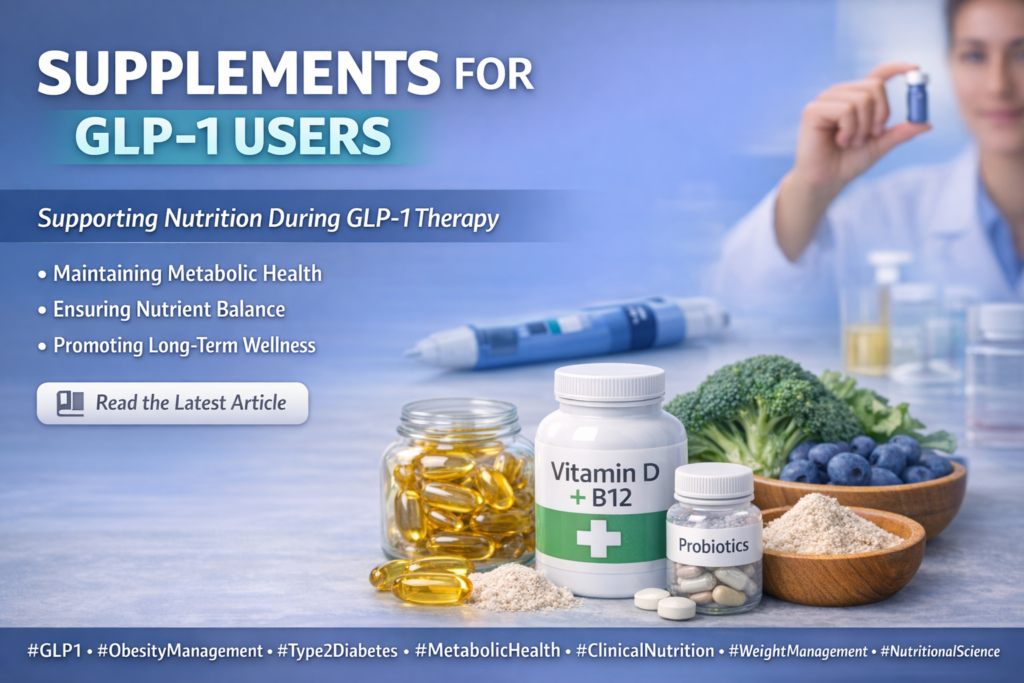
As GLP-1 receptor agonists become increasingly popular for managing type 2 diabetes and obesity, the importance of complementary supplements cannot be overlooked. This article will delve into the vital role of supplements tailored for GLP-1 users, highlighting how they enhance health outcomes and support overall well-being.
Understanding GLP-1 and Its Impact on Health
Glucagon-Like Peptide-1 (GLP-1) is an incretin hormone produced in the intestines that plays a pivotal role in glucose metabolism and appetite regulation. Released in response to food intake, its primary functions include stimulating insulin secretion, inhibiting glucagon release, slowing gastric emptying, and reducing appetite. The therapeutic applications of GLP-1 have garnered significant attention, particularly in managing type 2 diabetes and obesity.
One of the most notable aspects of GLP-1 is its ability to enhance insulin secretion in a glucose-dependent manner. This means that GLP-1 only promotes insulin release when blood glucose levels are elevated, thereby minimizing the risk of hypoglycemia, a common concern associated with other diabetes medications. Additionally, by suppressing glucagon, a hormone that raises blood sugar levels, GLP-1 ensures a more balanced overall glucose management.
The introduction of GLP-1 receptor agonists—synthetic versions of the natural hormone—has revolutionized treatment for type 2 diabetes, as they not only improve glycemic control but also encourage weight loss. The agent’s appetite-suppressing effects are particularly beneficial for individuals struggling with obesity, as they can help create a caloric deficit necessary for weight reduction. Users often report feeling satiated with smaller portions, which directly contributes to decreased caloric intake.
Moreover, the benefits of GLP-1 extend beyond mere appetite control. Studies have indicated that these therapies can lead to cardiovascular improvements, including reduced risk factors such as hypertension and dyslipidemia. Some GLP-1 receptor agonists have also been shown to promote weight loss independent of caloric restrictions, enhancing metabolic health further. This multifaceted approach makes them attractive options for patients dealing with both diabetes and obesity.
As individuals begin their GLP-1 journey, understanding its mechanisms and benefits is crucial. This knowledge empowers users to make informed decisions regarding their treatment and lifestyle, ultimately leading to better health outcomes. By pairing GLP-1 therapies with an informed choice of dietary strategy and lifestyle changes, individuals can harness the full potential of these powerful medications to transform their lives.
The Intersection of Supplements and GLP-1 Therapy
The intersection of dietary supplements and GLP-1 therapy signifies a proactive approach to enhancing the treatment’s effectiveness while alleviating potential side effects. As users of GLP-1 receptor agonists seek to harness the full potential of their therapy, specific supplements can serve as essential allies in their health journey, fostering optimal outcomes in weight management and metabolic health.
Research suggests that certain dietary supplements can complementary support GLP-1 therapy. For example, **fiber** plays a crucial role in enhancing satiety. Studies have indicated that fiber can prolong gastric emptying, helping users feel fuller for longer periods, thereby reducing calorie intake and supporting weight loss efforts. Incorporating a fiber supplement can yield greater results, especially for those experiencing appetite fluctuations under GLP-1 treatment.
**Omega-3 fatty acids** are another supplement gaining attention due to their multifaceted health benefits. Known for their anti-inflammatory properties, omega-3s may help in managing insulin sensitivity and reducing the potential gastrointestinal side effects associated with GLP-1 medications.. Research has demonstrated that omega-3 supplementation can bolster metabolic health, making it a valuable addition for GLP-1 users.
Additionally, the importance of **vitamins and minerals** cannot be overstated. Many individuals undergoing GLP-1 therapy may encounter deficiencies in essential nutrients due to altered eating habits. For instance, vitamin D status has been linked to metabolic health, and some studies suggest that adequate levels may enhance weight loss and insulin action. Multivitamin complexes can help fill the nutritional gaps and sustain energy levels, which is critical as users transition their eating patterns.
Moreover, supplements such as **probiotics** might also play a supportive role. Improved gut health, linked to the microbiome, can potentially aid in weight management and enhance the body’s response to GLP-1 therapy. Emerging evidence indicates a relationship between gut bacteria composition and metabolic disorders, suggesting that probiotics could help optimize gut health and complement GLP-1 effects.
In summary, integrating supplements like fiber, omega-3s, vitamins, and probiotics into the regimen of GLP-1 users can bolster treatment effectiveness, support weight loss, and mitigate side effects. For many, discovering the right combination through targeted supplements can pave the way for transformative health improvements and enriched quality of life as they navigate their wellness journey.
Essential Supplements for GLP-1 Users
For individuals utilizing GLP-1 receptor agonists, integrating specific supplements can not only enhance the effectiveness of their treatment but also promote overall health. Essential Supplements for GLP-1 Users—available through platforms like Supplement Shorts: My Companion Box—provide curated options tailored for optimal outcomes.
One of the most vital supplements for GLP-1 users is **fiber**. This ingredient plays a critical role in enhancing satiety, which aligns perfectly with the appetite-suppressing effects of GLP-1 medications. Soluble fibers, like psyllium or glucomannan, can create a gel-like substance in the gut, slowing digestion and prolonging feelings of fullness. Moreover, increased fiber intake can help maintain stable blood sugar levels, complementing the glucose-regulating properties of GLP-1 therapies.
**Omega-3 fatty acids** are another important supplement for those on GLP-1 medications. Known for their anti-inflammatory properties, omega-3s can mitigate the potential inflammatory responses triggered by metabolic changes during weight loss. These fatty acids not only support cardiovascular health but also play a role in insulin sensitivity, further assisting in the maintenance of metabolic balance. Incorporating sources like fish oil or algae oil can be beneficial, particularly for individuals seeking to decrease inflammation while promoting weight loss.
Essential vitamins, such as **Vitamin D** and **Vitamin B12**, also deserve consideration. Vitamin D has been linked to improved insulin sensitivity and plays a role in fat metabolism, making it a perfect complement to GLP-1 therapy. Deficiency can exacerbate weight management challenges, so monitoring and supplementing with this nutrient can support overall metabolic health. Additionally, Vitamin B12 is crucial for energy metabolism and can help combat fatigue often associated with weight loss efforts. This vitamin, particularly in its injectable form, can be helpful for individuals experiencing malabsorption issues, which can sometimes occur with GLP-1 medications. However, its use should generally be guided by clinical context and laboratory testing (e.g., B12 levels and, if needed, MMA), rather than routine administration.
Other noteworthy supplements include magnesium and probiotics. **Magnesium** supports glucose control and can alleviate some gastrointestinal disturbances that GLP-1 users might face, while **probiotics** can enhance gut health, aiding in digestion and possibly improving satiety cues. Such a comprehensive approach to supplementation can significantly enrich the GLP-1 experience, fostering an environment conducive to successful weight management and health optimization.
Navigating Supplement Choices: What Users Should Know
As GLP-1 users embark on their journey toward enhanced metabolic health, selecting the right supplements can be an overwhelming task. With the vast array of options available, understanding how to navigate supplement choices effectively is crucial for maximizing the benefits of GLP-1 therapy. Here are some practical considerations to guide users in making informed decisions.
First and foremost, quality matters. When choosing supplements, look for products that are third-party tested for purity and potency. Reputable brands often disclose their sourcing practices and provide evidence of quality assurance through certifications, such as GMP (Good Manufacturing Practices) or NSF certification. Opting for supplements that come from well-established companies can mitigate the risks associated with inferior quality and contamination.
Dosage recommendations are equally important. Each supplemental ingredient often has a recommended daily dosage that has been established based on research. Over- or under-supplementing can lead to ineffective results or undesirable side effects. GLP-1 users should prioritize supplements that clearly indicate dosage guidelines on their labels and consider the cumulative effects when combining multiple products. For example, if fiber is consumed through separate supplements in addition to dietary sources, it is essential to monitor total intake to avoid digestive discomfort.
Potential interactions between supplements and GLP-1 medications must be carefully evaluated. Certain supplements may enhance or diminish the effects of GLP-1 therapies. For instance, supplements that affect blood sugar levels, such as chromium or alpha-lipoic acid, may require monitoring, especially for users on medications that already target glycemic control. Therefore, engaging in thorough research and maintaining awareness of how various supplements work in tandem with GLP-1 medications is vital for ensuring safety and efficacy.
Consultation with healthcare professionals cannot be overstated. Before commencing a new supplement regimen, it is essential to discuss individualized needs with a healthcare provider. They can provide valuable insights tailored to each user’s health status, ongoing treatments, and specific dietary requirements. This collaborative approach fosters a more comprehensive understanding of potential benefits and risks associated with chosen supplements.
In conclusion, navigating the supplement landscape as a GLP-1 user entails an informed and thoughtful process. By prioritizing quality, adhering to dosage recommendations, considering interactions, and collaborating with healthcare professionals, users can make empowered choices that enhance their overall health journey alongside GLP-1 therapies.
The Future of GLP-1 Therapy and Supplement Integration
The landscape of GLP-1 therapy is evolving rapidly, with a burgeoning recognition of the essential role that supplements can play in maximizing treatment outcomes. As more individuals turn to GLP-1 agonists for weight management and metabolic health, the integration of strategic supplemental nutrition becomes increasingly vital. The future of GLP-1 therapy is likely to focus on personalized approaches that tailor supplementation to individual needs, optimizing both the efficacy of medication and overall health.
One promising trend is the ongoing research into specific nutrients that can enhance the effectiveness of GLP-1 treatments. For instance, studies are exploring the synergistic effects of omega-3 fatty acids on inflammation and insulin sensitivity, which could bolster the positive effects of GLP-1 medications. Additionally, there’s growing interest in the role of antioxidants, such as vitamins C and E, in mitigating oxidative stress related to certain metabolic disorders. Research into how these supplements can potentially amplify GLP-1’s benefits is gaining traction, which signals a paradigmatic shift towards a more holistic approach to treatment.
Furthermore, advancements in technology and personalized nutrition are paving the way for innovations like Supplement Shorts: My Companion Box, which curates specific supplement combinations for GLP-1 users. This service could revolutionize the way patients receive their nutritional support, ensuring that they have access to the right supplements—tailored to their unique health profiles and treatment plans. Such innovations are not only convenient but also valuable in promoting adherence to supplement regimens and, by extension, GLP-1 therapy.
Looking ahead, we may also see the development of comprehensive health platforms that integrate data from wearable devices, dietary tracking, and personal health metrics. These platforms could offer real-time recommendations for both nutritional supplements and medication, adjusting regimens based on individual progress and changing health needs. This data-driven approach promises to foster greater awareness and responsibility among users, empowering them to take control of their health journey.
In summary, as GLP-1 therapy continues to advance, the synergy between supplemental nutrition and these groundbreaking treatments holds immense potential for enhancing user outcomes. Ongoing research and future innovations will undoubtedly play a crucial role in shaping a vibrant ecosystem where patients can thrive through informed, integrated health strategies.
Conclusions
In conclusion, incorporating the right supplements can significantly enhance the benefits of GLP-1 receptor agonists. By understanding the relationship between these supplements and GLP-1 therapy, users can improve their health outcomes and overall quality of life. It is essential to stay informed and consult with healthcare professionals when making dietary supplement choices.
References (APA 7th Edition)
1.Davies, M. J., Bergenstal, R., Bode, B., Kushner, R. F., Lewin, A., Skjøth, T. V., … & NN8022-1922 Study Group. (2015). Efficacy and safety of liraglutide for weight management in patients with type 2 diabetes. The Lancet, 384(9945), 131–142. https://doi.org/10.1016/S0140-6736(14)61374-7
2.Heymsfield, S. B., Thomas, D., Nguyen, A. M., Peng, J. Z., Martin, P. D., Shen, W., & Apovian, C. M. (2014). Voluntary weight loss: Systematic review of early phase body composition changes. The American Journal of Clinical Nutrition, 99(4), 806–815. https://doi.org/10.3945/ajcn.113.070615
3.Institute of Medicine. (2006). Dietary reference intakes: The essential guide to nutrient requirements. National Academies Press.
4.Marso, S. P., Daniels, G. H., Brown-Frandsen, K., Kristensen, P., Mann, J. F. E., Nauck, M. A., … & LEADER Trial Investigators. (2016). Liraglutide and cardiovascular outcomes in type 2 diabetes. The New England Journal of Medicine, 375(4), 311–322. https://doi.org/10.1056/NEJMoa1603827
5.Slavin, J. (2013). Fiber and prebiotics: Mechanisms and health benefits. Nutrients, 5(4), 1417–1435. https://doi.org/10.3390/nu5041417
6.Wolever, T. M. S., Tosh, S. M., Gibbs, A. L., Brand-Miller, J., Duncan, A. M., Hart, V., … & Wood, P. J. (2010). Physicochemical properties of oat β-glucan influence its ability to reduce serum LDL cholesterol in humans: A randomized clinical trial. The American Journal of Clinical Nutrition, 92(4), 723–732. https://doi.org/10.3945/ajcn.2010.29174
7.Wilding, J. P. H., Batterham, R. L., Calanna, S., Davies, M., Van Gaal, L. F., Lingvay, I., … & STEP 1 Study Group. (2021). Once-weekly semaglutide in adults with overweight or obesity. The New England Journal of Medicine, 384(11), 989–1002. https://doi.org/10.1056/NEJMoa2032183
8.Cava, E., Yeat, N. C., & Mittendorfer, B. (2017). Preserving healthy muscle during weight loss. Advances in Nutrition, 8(3), 511–519. https://doi.org/10.3945/an.116.014506
9.Bhatt, D. L., Steg, P. G., Miller, M., Brinton, E. A., Jacobson, T. A., Ketchum, S. B., … & REDUCE-IT Investigators. (2019). Cardiovascular risk reduction with icosapent ethyl for hypertriglyceridemia. The New England Journal of Medicine, 380(1), 11–22. https://doi.org/10.1056/NEJMoa1812792
10.Autier, P., Boniol, M., Pizot, C., & Mullie, P. (2014). Vitamin D status and ill health: A systematic review. The Lancet Diabetes & Endocrinology, 2(1), 76–89. https://doi.org/10.1016/S2213-8587(13)70165-7
11.O’Leary, F., & Samman, S. (2010). Vitamin B12 in health and disease. Nutrients, 2(3), 299–316. https://doi.org/10.3390/nu2030299