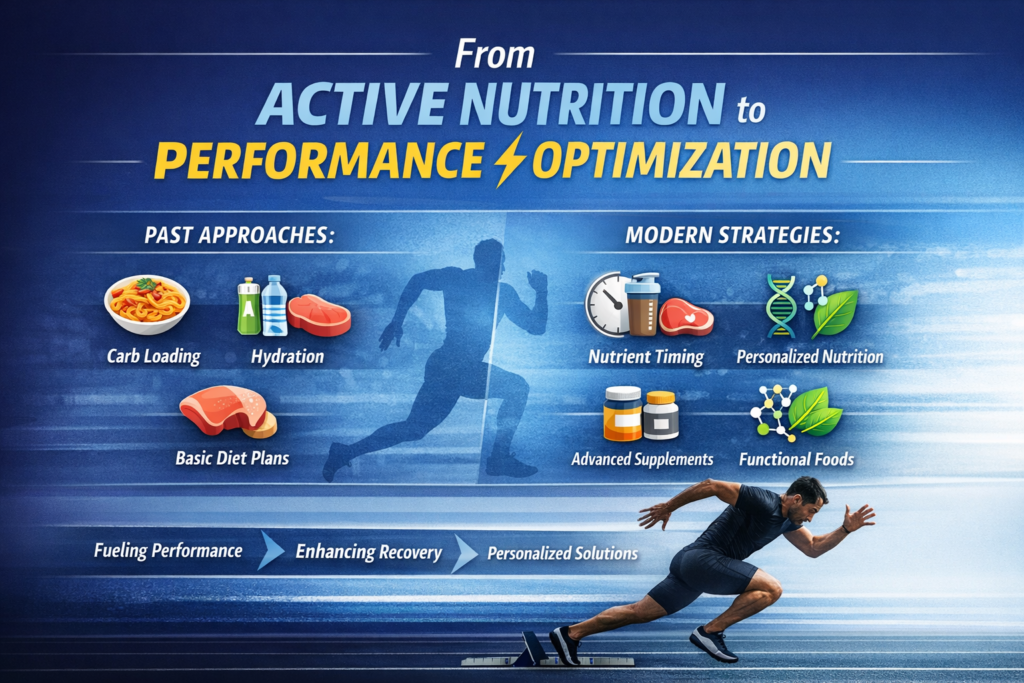
Sports nutrition has significantly evolved over the years, shifting from basic dietary needs for active individuals to a specialized focus on athletic performance. This article elucidates the phases of this transformation, detailing how nutritional practices have adapted to meet the increasing demands of athletes for improved performance and recovery.
Historical Context of Sports Nutrition
The historical context of sports nutrition reveals an intriguing journey through time, showcasing the evolving understanding of the link between diet and athletic performance. In ancient civilizations, the relationship between food and physical prowess was intuitive rather than scientifically understood. The Greeks, for instance, revered physical strength and viewed diet as a crucial aspect of achieving athletic excellence. They consumed nutrient-dense foods, including grains, fruits, and meats, believing these would enhance their capabilities in events like the Olympics. Similarly, Roman gladiators were often referred to as “barley men” due to their carbohydrate-rich diets that promoted strength and endurance in combat.
As the centuries progressed, the formal study of nutrition remained limited until the late 19th and early 20th centuries, when advancements in biochemistry began to unveil the complex interactions between food components and bodily functions. Pioneering studies, such as those by Wilbur Atwater, sought to establish fundamental principles of caloric intake and energy expenditure. Atwater’s work led to a greater awareness of macronutrients and their roles in fueling physical activity, laying the groundwork for future explorations into sports dietary practices.
The acceleration of sports science in the early 20th century marked a pivotal point in the field of exercise nutrition. Research conducted during this time began to address the specific energy needs of athletes, particularly in response to the increased popularity of organized sports. The studies by Dutch scientist A. P. Van W.Ingredients and others began to expose how various nutrients influenced performance and recovery. They provided early dietary recommendations emphasizing the importance of protein for muscle repair and carbohydrates for energy replenishment.
These foundational studies ignited interest in optimizing athletes’ diets and spearheaded the rise of specialized approach to sports nutrition. During this era, nutritional supplements entered the marketplace, targeting athletes eager to boost their performance through scientifically informed dietary modifications. The dedication to understanding and improving sports nutrition became an integral part of athletic training—an evolving discourse that would eventually lead into the more contemporary understanding of active nutrition and performance optimization. This historical backdrop serves as a crucial reminder of the athletic community’s long-standing pursuit of dietary excellence in the quest for competitive advantage.
The Rise of Active Nutrition
As athletes increasingly recognized the pivotal role of nutrition in everyday training, the concept of active nutrition gained prominence. This approach hit its stride during the mid-20th century when scientific studies began to underscore the correlation between diet and performance in sports. The focus shifted from merely eating for sustenance to strategically consuming specific nutrients to enhance physical capabilities.
One of the cornerstones of active nutrition is carbohydrate loading, a strategy adopted by endurance athletes, particularly those participating in long-distance events such as marathons and cycling races. Studies demonstrated that glycogen, the stored form of carbohydrates, served as a critical energy source during prolonged exercise. Athletes learned that by tapering their training and increasing carbohydrate intake in the days leading up to an event, they could significantly elevate glycogen stores in their muscles. This practice ultimately contributed to improved stamina and performance, facilitating a shift in training and nutritional habits.
Hydration strategies likewise evolved as athletes began to appreciate the importance of maintaining fluid balance during sustained activity. Recognizing that dehydration could impair performance and recovery, sports scientists promoted various hydration protocols that incorporated electrolyte replenishment. These strategies involved not only water but also sports drinks containing carbohydrates, sodium, and other electrolytes, tailored to athletes’ hydration needs before, during, and after exertion. The introduction of these hydration strategies played a crucial role in shaping the recovery process, ensuring that athletes remained at peak performance levels.
The rise of active nutrition also saw advancements in the understanding of micronutrients—vitamins and minerals essential for optimal physiological function. Athletes began to appreciate that deficiencies in micronutrients could lead to fatigue, decreased immunity, and poor overall health, thereby hindering performance. Consequently, nutritionists began to formulate dietary plans that ensured not only macronutrient adequacy but also a comprehensive intake of micronutrients to support the higher demands of athletic training.
As the landscape of sports nutrition evolved, the focus on active nutrition laid the groundwork for more specialized approaches aimed at performance optimization. Athletes began questioning not just what they consumed, but when and how to time their nutrition relative to training sessions and competitions. This transition marked a significant turning point in the quest for enhanced athletic performance, paving the way for refined dietary strategies that would address the specific needs of various sports disciplines.
Transition to Performance Nutrition
As the landscape of sports nutrition evolved from the foundational principles of active nutrition, a significant paradigm shift emerged—one focused on performance optimization. Athletes began to realize that merely sustaining energy levels through basic dietary choices was insufficient. Instead, a more refined approach to nutrition, termed performance nutrition, arose, which emphasized tailored dietary strategies designed to meet the specific demands of individual sports.
This transition marked a pivotal moment, as athletes began to analyze not only the quantity of food consumed but also the timing and composition of their meals. Pre-competition and post-exercise nutrition became central themes in performance plans, allowing for precise manipulation of macronutrients to achieve optimal results. Athletes learned that carbohydrate intake should be strategically timed to fuel performance and replenish glycogen stores, thus ensuring maximum energy availability during competition.
Protein, once primarily viewed through the lens of muscle repair, shifted to playing a crucial role in performance nutrition. Athletes embraced higher protein diets not just for recovery but for muscle adaptation and growth, understanding that adequate amino acid availability during and after workouts significantly impacted strength and performance levels. Moreover, the concept of protein timing gained traction, where athletes consumed specific amounts of protein at precise intervals to maximize muscle protein synthesis.
Fats, long misunderstood and often demonized, received a renaissance in the context of endurance sports. Athletes recognized that healthy fats provide a dense source of energy, especially when glycogen stores began to deplete during prolonged activities. Incorporating moderate amounts of fats, such as omega-3 fatty acids, not only enhanced energy metabolism but also contributed to improved recovery and reduced inflammation, enabling athletes to train more effectively.
Furthermore, the transition to performance nutrition underscored the importance of individualization. Coaches and nutritionists began developing sport-specific dietary regimens, taking into account factors such as training intensity, duration, and an athlete’s metabolic responses. This shift heralded an era where one-size-fits-all approaches were replaced with personalized strategies that catered to the unique demands of various sports disciplines.
As athletes embraced this nuanced understanding of nutrition, they began to see significant improvements in their performance metrics. The refined focus on carbohydrate, protein, and fat intake, coupled with timing and specific needs, paved the way for a new era in sports nutrition, where maximizing athletic performance became not just a goal but an achievable reality through science-backed dietary strategies.
Modern Practices and Innovations in Sports Nutrition
Modern advancements in sports nutrition reflect a significant shift towards more tailored nutritional strategies that enhance athletic performance. Performance optimization has emerged as a critical area of focus, with contemporary practitioners increasingly advocating for evidence-based approaches to support athletes in their quest for peak performance.
At the heart of modern sports nutrition is the incorporation of dietary supplements, which have become mainstream tools for enhancing athletic outcomes. Supplements such as branched-chain amino acids (BCAAs), creatine, and beta-alanine are widely utilized for their capacity to accelerate recovery, improve endurance, and enhance muscle growth. Research has shown that these supplements can provide a competitive edge, particularly when used strategically around training and competition times. Furthermore, the rise of multimodal supplements—formulations designed to address multiple aspects of performance—highlights a trend toward more holistic approaches in nutrition.
Another burgeoning field in sports nutrition is nutrigenomics, which studies the interaction between nutrition and gene expression. Athletes can benefit from personalized nutrition plans based on genetic profiles, enabling them to optimize their dietary intake for improved performance and recovery. For instance, genetic predisposition to certain nutrients’ metabolism may inform athletes about their carbohydrate or protein needs, offering individualized dietary strategies that were previously unattainable.
The role of functional foods—those that provide health benefits beyond basic nutrition—has also gained significant traction. Foods enriched with omega-3 fatty acids, probiotics, and antioxidants are recognized for their potential to enhance recovery and boost the immune system, thus aiding athletes in maintaining peak performance and reducing the risk of injury. Incorporating such foods into a post-workout recovery plan can be particularly beneficial; nutrients like protein and carbohydrates consumed shortly after exercise have been shown to facilitate muscle repair and glycogen replenishment.
Advances in technology are further shaping nutritional strategies for athletes. Fitness apps and wearable devices enable real-time tracking of dietary intake and physical activity, allowing athletes to make data-driven decisions about their nutrition. This technology facilitates more precise planning and monitoring of nutrient consumption, aligning intake with training demands, which is crucial for performance optimization.
The integration of these modern practices not only helps to enhance recovery but also reinforces a more personalized approach to sports nutrition, adapting to the evolving needs of today’s athletes.
Looking Ahead: The Future of Sports Nutrition
As we look ahead in the realm of sports nutrition, several emerging trends promise to revolutionize dietary practices and further enhance athletic performance. One of the most significant shifts is the move towards personalized nutrition plans, which are increasingly tailored to individual athlete profiles. This personalization is made possible by advancements in food science, bioinformatics, and nutrigenomics, allowing for a deeper understanding of how specific nutrients affect individual metabolic responses.
Athletes are no longer one-size-fits-all when it comes to their nutritional needs. Differences in genetics, microbiome composition, and training regimes necessitate customized dietary strategies that optimize performance outcomes. For instance, the integration of genomic data can help identify how an athlete metabolizes macronutrients, making it possible to tailor carbohydrate, protein, and fat intake to align with their unique biochemical makeup. This customized approach is likely to become a standard practice as technology continues to advance.
Additionally, the use of wearable technologies and apps to track nutritional intake and performance metrics is on the rise. These innovations not only facilitate precise monitoring of macronutrient ratios but also enable real-time adjustments to dietary strategies based on performance data and fatigue levels. This ability to adapt nutrition dynamically represents a significant step toward optimizing athletic performance and recovery.
Moreover, ongoing research is illuminating the potential of functional foods that deliver enhanced health benefits beyond basic nutrition. Ingredients such as adaptogens, probiotics, and specialized amino acids are gaining traction for their role in supporting recovery, reducing inflammation, and improving endurance. The scientific community is increasingly validating the effects of these components, and as such, they may soon become staples in the nutrition regimens of elite athletes.
Future innovations in food science, such as lab-grown nutrition and fortified foods, may also pave the way for improved performance and sustainability in sports nutrition. As the demand for effective and ethically produced food sources rises, the sports nutrition industry must evolve to meet these challenges. The interplay of technology, science, and individualized approaches holds the key to unlocking unprecedented levels of athletic performance and health outcomes, paving a promising path for the next generation of sports nutrition.
Conclusions
In summary, the journey of sports nutrition from active consumption to performance optimization highlights the importance of tailored dietary strategies. As our understanding of nutrition improves, athletes are better equipped to enhance their performance and recovery, ultimately leading to greater success in their respective sports.